
Key facts
- Fixed odds: the price you take is the price you are paid, whatever happens to the market.
- Tote: all bets go into a pool, a commission comes out, and the rest is shared between winning tickets. The dividend is final only after the race.
- The tote shows approximate dividends before the jump; they can move a lot in the last minutes.
- Exotics such as trifectas and first fours are tote bets, and flexi betting is a tote feature.
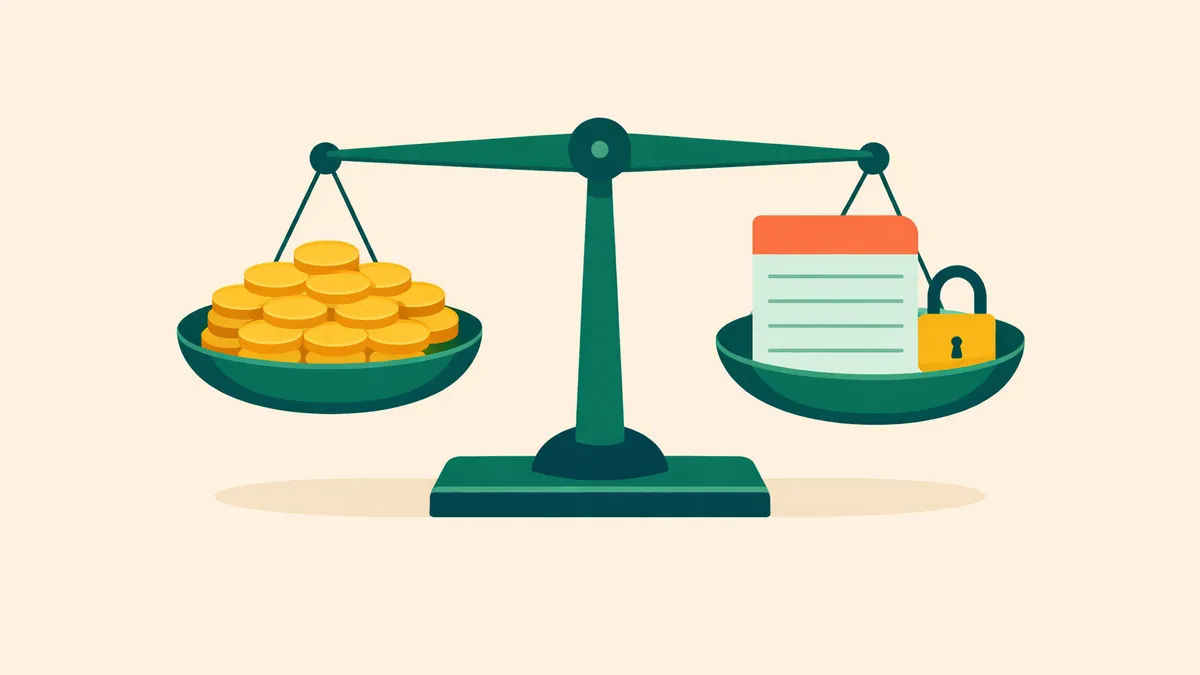
- Neither is better every time: compare the fixed price with the likely tote dividend before you bet.
How fixed odds work
Fixed odds means the price is locked in when your bet is accepted. If you take $6.00 and the horse wins, you are paid $6.00 for every $1 even if it starts at $3.00. The bookmaker sets and moves prices to balance its book and keeps a margin built into every price. Fixed odds markets that open weeks ahead are futures, and most of them are All In.
How the tote works
The tote is a pool. Every bet on a race type, such as win or place, goes into one pool. The operator takes its commission out, and what is left is shared between the winning tickets in proportion to their stake. That share is the dividend.
Because the pool keeps growing until betting closes, the tote shows approximate dividends that change right up to the jump. The final dividend depends on how much was bet in total and how much was on the winner.
Tote vs fixed odds side by side
| Fixed odds | Tote | |
|---|---|---|
| Price known when you bet | Yes | No, only an estimate |
| Who sets the return | The bookmaker | The pool and other punters |
| Late money | Does not change your bet | Changes the dividend |
| Exotics (trifecta, first four) | Rare | Standard |
| Flexi betting | No | Yes |
| Typical edge | Margin in every price | Commission taken from the pool |
When fixed odds tend to pay more
Fixed odds are worth taking when you expect a runner to shorten: a horse with strong late support, or one that will be popular with casual punters on a big day. Locking in a longer price early protects you from a shrinking dividend.
When the tote tends to pay more
The tote can pay more on runners the public overlooks, because less money in the pool on your runner means a bigger share for you if it wins. Smaller meetings with thin pools are less predictable: one big late bet can move a dividend a long way in either direction.
Pundit tip: if your bookmaker shows both a fixed price and an approximate tote dividend, compare them in the last few minutes before the jump, not hours earlier.
Place bets, scratchings and the number of places
Tote place dividends come from the place pool, so they are often quite different from a fixed place price. The number of places paid also depends on starters: on the TAB, 8 or more starters pay three places and 5 to 7 starters pay two. A late scratching that drops a field from 8 to 7 removes the third place dividend. On fixed odds, a late scratching can also cut your price through a scratching deduction, which the deductions calculator works out, and a tie splits your payout under dead heat rules. The each way calculator shows what a place result returns.
Exotics are tote bets
Quinellas, exactas, trifectas and first fours are paid from their own tote pools, which is why flexi betting exists: you choose your outlay and collect that percentage of the dividend. Our boxed trifecta calculator and quinella calculator work out the cost and your flexi share. For big race days, see the Melbourne Cup betting guide, and for four winners in one bet, the quaddie guide. The dogs and the trots have their own tote pools: see greyhound betting and harness racing betting.
Frequently asked questions
What is the difference between fixed odds and tote?
With fixed odds, the bookmaker offers a price and you are paid at that price if you win. With the tote, all bets go into a pool, a commission is taken out and the rest is shared among winners, so the dividend is only known after the race.
Is it better to bet on the tote or fixed odds?
Neither is better every time. Fixed odds give certainty and are useful when you expect a horse to shorten. The tote can pay more on runners the public overlooks. Compare both before the jump if your bookmaker shows them.
How do tote odds work?
Tote odds are the pool divided by the money on each runner, after commission. Before the race the tote shows approximate dividends based on the money so far. The final dividend is set when betting closes and the result is official.
Why did my place bet pay less than the price I saw?
If you bet on the tote, the place dividend is set from the place pool after the race and can differ from the approximate figure you saw. If a horse is scratched late, fewer starters can also change how many places are paid.
Can I flexi a fixed odds bet?
No. Flexi is a tote feature for exotic bets, where you take a percentage of the dividend. Fixed odds bets are placed for a set stake at a set price.
Related reading
 Calculator Exacta calculator An exacta needs the first two home in the right order. Count your combinations, see the cost of a full unit, turn any outlay into a flexi percentage and check your collect. Read more
  Betting Scratching deductions When a runner is scratched after you took a fixed price, the field is weaker and your price is now too long. A deduction claws some of that back. Here is the schedule, the timing and the maths. Read more
  Betting Betting exchange On an exchange you bet against other punters, not a bookmaker, and pay commission on what you win. Here is how Betfair works in Australia and how to tell when its price really is better. Read more
  Betting How to read odds A price tells you three things: what you get back, the chance the bookmaker is implying, and whether the market thinks your pick is a favourite. Here is how to read all three. Read more
  Betting sites Betting sites Online sports and racing betting is legal in Australia with a licensed bookmaker. Here is who holds the licences, which companies own which brands, and the protections every licensed site must give you. Read more
  Betting Arbitrage betting An arb covers every outcome across bookmakers for less than it pays back. Why the gap appears, how thin it is, what bookmaker terms allow, and the mistakes that turn an arb into a loss. Read more
 Sources
Official pages we relied on. If anything here has changed, tell us via the contact page and we fix it.